Asian stocks rose to a record high on Wednesday, buoyed by Japanese shares, as investors braced for a possible election in Japan that could lead to more stimulus, while worries about central bank independence and benign U.S. inflation data jolted currencies.
Rising geopolitical tensions helped propel silver above $90 per ounce for the first time with the metal surging 27% in the first nine trading days of the year. Gold prices also climbed to yet another record high after a stellar 2025.
Oil prices wobbled after rising as U.S. President Donald Trump urged Iranians to keep protesting, saying help is on the way. Iran in turn accused Trump of encouraging political destabilization and inciting violence.
The Japanese yen fell to its weakest level since July 2024 and was last at 159.29 per dollar as the threat of market intervention resurfaced, after local media reported that Prime Minister Sanae Takaichi was considering calling a snap lower house election on February 8.
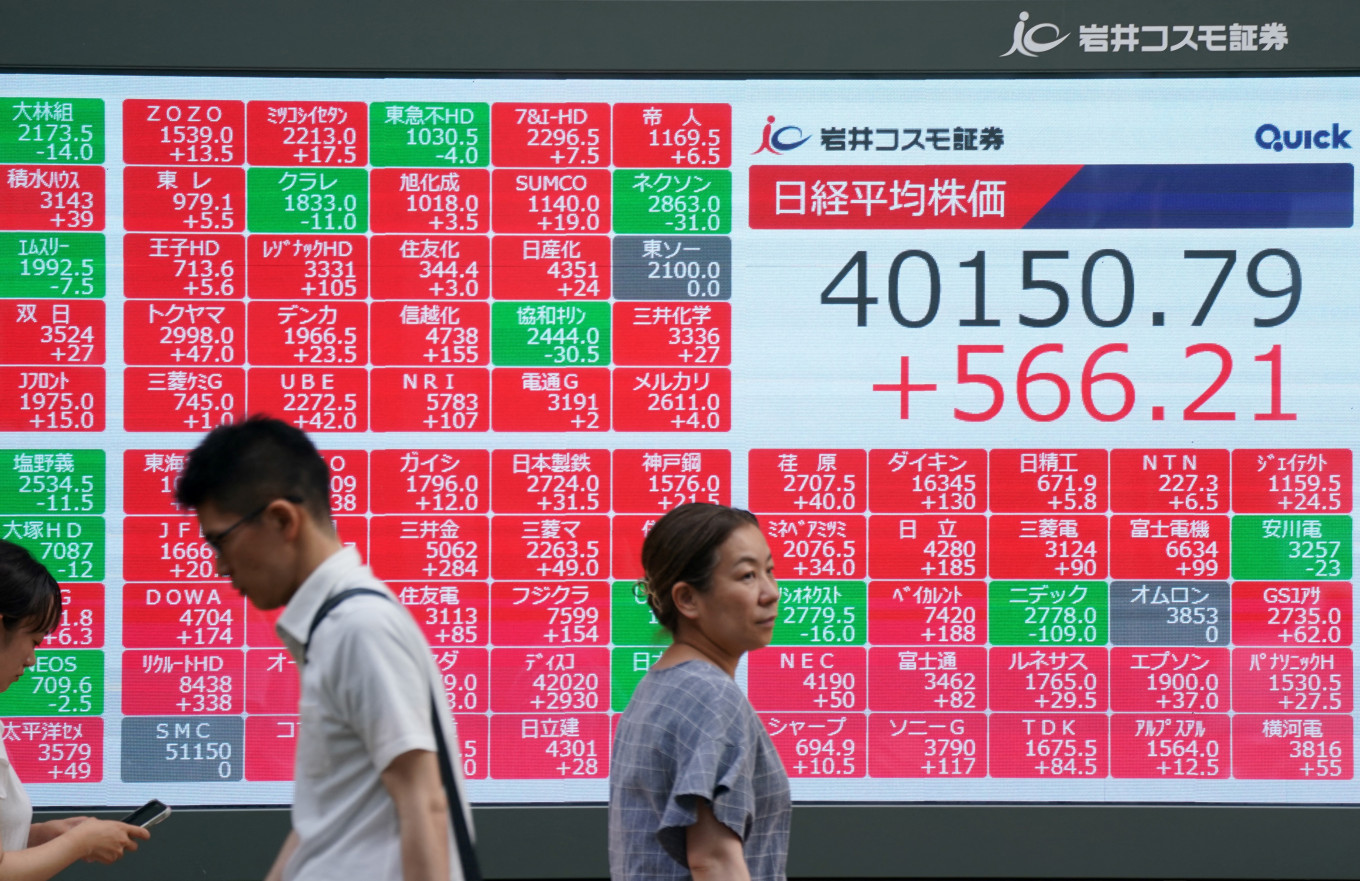
The frail yen and the prospect of more stimulus sent the Nikkei (.N225), opens new tab up over 1% to a record and pushed Japanese government bonds lower, a so-called "Takaichi trade" that appears to have been turbocharged this week as investors fret about the country's fiscal health.
Fred Neumann, chief Asia economist at HSBC, said the election outcome could bring forward the next BOJ rate hike, although the central bank was likely to consider financial market volatility, including renewed yen weakness. "Crucial for the BOJ will be the new government’s fiscal and reform plans, with easier fiscal policies and pro-growth reforms reducing downside risks to growth and inflation," Neumann said. "Still, accelerating yen weakness would pose challenges to the BOJ, possibly prompting more hawkish rhetoric."
China stocks (.CSI300), opens new tab reversed course to trade 0.15% lower after Chinese stock exchanges tightened margin requirements in a surprise move to cool the red-hot equity market. Blue-chip stocks had hit a 10-year high on Tuesday.
Investors mostly looked past trade data where China reported a record trade surplus of nearly $1.2 trillion in 2025, led by booming exports to non-U.S. markets.
MSCI's broadest index of Asia-Pacific shares (.MIAP00000PUS), opens new tab was up 0.5%, hitting a fresh record high. U.S. stock futures were 0.19% lower while European stock futures were a marginal 0.1% higher, pointing to a subdued open.
Data on Tuesday showed moderate underlying U.S. inflation pressures last month. Economists said this suggested the pass-through of import tariffs to prices was slowing, keeping rate cuts on the table this year, although the broad expectation was for the Fed to hold steady this month.
Traders are pricing in at least two rate cuts this year, with a move not expected until after Jerome Powell ends his term as Fed chairman in May.
Matt Simpson, a senior market analyst at StoneX, said U.S. inflation was not slowing sufficiently to move the needle towards imminent rate cuts. "With lack of enthusiasm for cuts from an economic perspective, the U.S. dollar might enjoy a bit more of a bid before the tide reverts to bearish hands," Simpson said.